
Pay-Per-Call: Understanding Compliance and Regulations
Pay-Per-Call is a powerful marketing model that connects businesses with real customers through phone conversations. However, success in this field requires more than just effective campaigns, it demands a strong focus on compliance and adherence to regulations to help your business build trust, avoid legal issues, and create sustainable growth.
Ignoring compliance can lead to serious consequences, including costly fines and damaged reputations. In this post, you’ll learn about the key regulations, industry-specific rules, and best practices to ensure your Pay-Per-Call operations remain fully legal and effective.
Why Should You Care About Compliance?
Adhering to compliance in the Pay-Per-Call industry is essential for both legal protection and business success. It goes beyond simply following rules, it safeguards your operations and reputation while creating trust with customers.
These are some of the key benefits of compliance:
Avoid Fines and Legal Issues: Non-compliance with regulations can result in steep penalties and potential lawsuits. By following the rules, you protect your business from these risks.
Build Customer Trust: Transparent and ethical practices demonstrate that you value your customers’ privacy and rights, encouraging loyalty and long-term relationships.
Maintain a Positive Reputation: A compliant business is seen as reliable and professional, which enhances its image in the market.
Ensure Campaign Longevity: Compliance reduces the chances of interruptions caused by regulatory breaches, helping your campaigns perform consistently over time.
Questions about Pay-Per-Call? Check out these Top 15 Pay Per Call Frequently Asked Questions and learn all you need to know about it

What Are the Key Regulations for Pay-Per-Call
Compliance with key regulations is essential to operating legally and maintaining trust in your Pay-Per-Call campaigns. To ensure your Pay-Per-Call operations remain compliant, follow these essential regulations:
1. Telemarketing Rules
Do Not Call to DNC List:
Check your call lists against the National Do Not Call Registry (DNC)
Maintain your list for opt-outs.
Update records regularly to respect preferences.
Calling Hours:
Only call between 8:00 AM and 9:00 PM (local time).
Adjust for time zones and avoid calls on holidays.
2. Data Protection and Privacy
Protect customer data, including personal details, recordings, and transaction history.
Use encrypted storage and limit access to authorized personnel only.
Regularly update security measures to prevent breaches.
3. Call Recording Guidelines
Inform customers about recording.
Get consent before recording.
Store recordings securely and delete them after the required time.
What Are the Advertising Requirements in Pay Per Call
In the Pay-Per-Call industry, ad campaigns must meet specific standards to ensure clarity, honesty, and compliance with legal guidelines.
1. Use Clear Disclosures
State All Terms: Include all relevant conditions in your ads.
Explain Costs: Be upfront about fees and additional charges.
Avoid Ambiguity: Use straightforward language to describe offers and services.
2. Avoid these Advertising Violations
Avoid these mistakes to stay compliant:
Hidden Fees: All charges must be disclosed clearly in the advertisement.
Exaggerated Claims: Promising unrealistic results can lead to complaints and penalties.
Omissions: Leaving out critical details like eligibility requirements or additional costs.
Deceptive Language: Phrasing designed to mislead or confuse customers.
Start your own business with this guide to starting pay-per-call campaigns in 2025
Industry-Specific Rules To be Follow in Pay Per Call Campaigns
Each industry has unique regulations that must be followed in Pay-Per-Call campaigns. These are some of the key requirements for specific sectors:
Financial Services
Fee Disclosure: Clearly state all fees and costs.
Licensing Requirements: Ensure your business holds the necessary licenses to operate.
Risk Warnings: Highlight potential risks involved in using the service.
Documentation: Keep detailed records of all transactions and communications.
Healthcare
HIPAA Compliance: Protect patient privacy and secure all health-related data.
Informed Consent: Ensure patients are permitted to share their information.
Security Measures: Use encrypted systems to store sensitive medical data.
Legal Services
Advertising Rules: Adhere to state bar regulations when promoting services.
Client Confidentiality: Protect all client information during calls and in storage.
Disclosure Requirements: Provide clear disclaimers when required by law.

Top 3 Best Practices for Staying Compliant
A proactive approach to compliance is key to avoiding legal risks and maintaining a trustworthy Pay-Per-Call operation. Follow these best practices to stay on track:
Train Your Team
Regular Updates: Organize training sessions to inform your staff about the latest regulations, such as changes to telemarketing rules, privacy laws, or industry-specific guidelines.
Clear Procedures: Provide step-by-step instructions for tasks like handling customer data, obtaining consent for call recording, or responding to opt-out requests. Make these procedures easy to access and understand.
Performance Monitoring: Continuously assess your team’s performance through call reviews and feedback. Address any gaps in knowledge or compliance immediately to prevent recurring issues.
Maintain Documentation
Detailed Records: Keep comprehensive logs of all interactions, including call timings, consent forms, and DNC list updates. These records can serve as proof of compliance during audits or investigations.
Audits: Schedule regular internal audits to identify and correct any non-compliance issues. Audits also help you stay prepared for external inspections by regulators.
Incident Reporting: Create a system to document compliance breaches, including details of what happened, how it was addressed, and steps taken to prevent recurrence.
Apply Quality Control
Monitor Calls: Regularly listen to recorded calls or live interactions to ensure employees follow scripts and meet regulatory requirements. Use monitoring tools to streamline this process.
Script Reviews: Check scripts for compliance with regulations. Ensure they include necessary disclosures, such as notifying customers about call recording or costs associated with services.
Feedback Implementation: Use the insights gained from monitoring and audits to improve training, scripts, and overall processes. Continuously refine your practices to enhance compliance.

What To Do When Things Go Wrong
Even with strong compliance measures in place, mistakes can happen. When they do, it’s important to act quickly and effectively to minimize damage and prevent future issues.
Identify the Problem
Investigate Thoroughly: Determine what went wrong by reviewing relevant records, such as call logs, scripts, or team actions. Look for patterns or gaps that might have contributed to the issue.
Involve the Right People: Notify team members or departments responsible for compliance, data protection, or customer relations to assist in identifying and resolving the problem.
Document the Incident
Record Details: Create a report that includes a clear description of the issue, when it occurred, and the parties involved.
Gather Evidence: Collect supporting materials, such as customer complaints, system logs, or email correspondence, to understand the scope of the problem.
Take Corrective Action
Stop Non-Compliant Activities: Halt any actions or campaigns that violate regulations until corrections are made.
Notify Affected Parties: If customers or regulators need to be informed, do so promptly and transparently. Apologize if necessary and outline steps being taken to resolve the issue.
Fix the Process: Update procedures, scripts, or systems to prevent similar issues in the future.
Learn and Improve
Review Policies: Use the incident as an opportunity to evaluate your current compliance policies. Identify weaknesses and make necessary changes.
Train Your Team: Provide additional training to employees to reinforce compliance knowledge and prevent repeat mistakes.
Check how to succeed with pay-per-call Affiliate Marketing and boost your business by increasing your sales
How to Stay Updated with Regulations
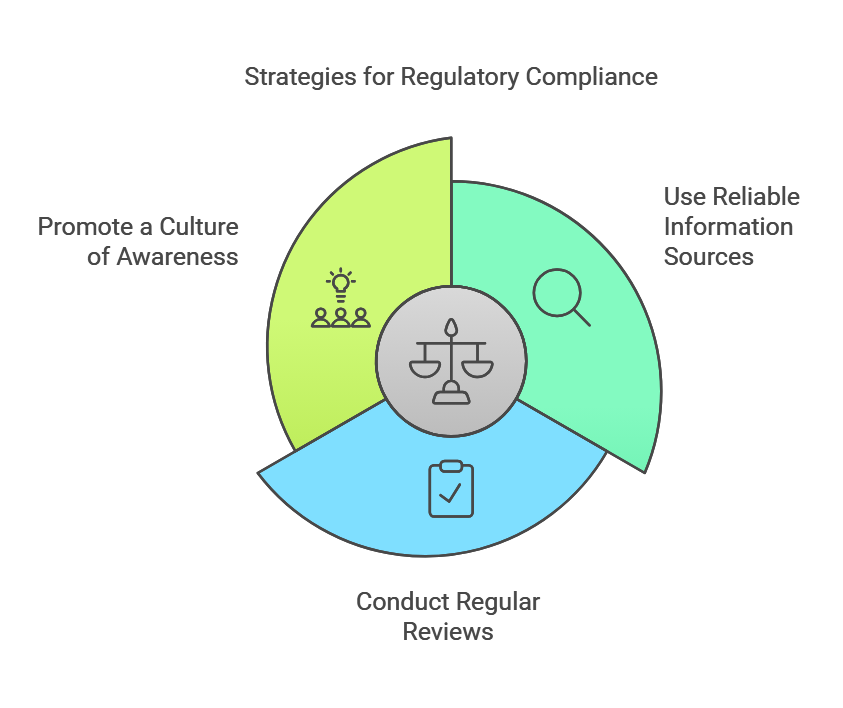
Compliance requirements are constantly evolving. Staying informed is important to ensure your Pay-Per-Call campaigns remain legally compliant and effective.
Use Reliable Information Sources
Industry Newsletters: Subscribe to updates from trusted organizations related to telemarketing, data privacy, and your specific industry.
Professional Associations: Join groups or networks in your sector that provide insights on regulatory changes and best practices.
Regulatory Websites: Regularly check official websites, such as the Federal Trade Commission (FTC) or other relevant authorities, for updates.
Conduct Regular Reviews
Monthly Compliance Checks: Set up a monthly process to review and adjust your practices based on recent changes in regulations.
Quarterly Policy Updates: Revise your compliance policies every quarter to reflect any new requirements.
Annual Training Refreshers: Provide yearly training sessions to ensure your team stays informed and prepared.
Promote a Culture of Awareness
Team Meetings: Include compliance as a regular topic in meetings to encourage ongoing awareness.
Leadership Involvement: Make compliance a priority at the management level by setting clear expectations and goals.
Continuous Improvement: Regularly evaluate your practices and systems to identify areas for improvement.
How To Create Your Compliance Checklist
A compliance checklist is a practical tool to ensure that your Pay-Per-Call operations meet all regulatory requirements. Here’s what to include:
Registration and Lists
Verify registration with national and industry-specific Do Not Call (DNC) registries.
Regularly update external and internal DNC lists.
Call Protocols
Ensure calls are made only between 8:00 AM and 9:00 PM (local time).
Confirm customer consent for receiving calls.
Notify customers and obtain consent for call recordings.
Data Protection
Encrypt all sensitive customer data, including personal and financial information.
Restrict access to data to authorized personnel only.
Perform regular security audits and updates.
Advertising Compliance
Ensure all ads meet transparency and honesty standards.
Disclose all fees, costs, and terms in advertisements.
Avoid ambiguous language or exaggerated claims.
Training and Monitoring
Conduct regular compliance training sessions for staff.
Monitor calls to ensure adherence to regulations.
Review and update scripts to maintain compliance.
Documentation
Maintain a log of all compliance-related incidents and actions taken.
Keep detailed records for audits or inspections.
Regularly review and update compliance policies.
Run An Effective Pay Per Call Campaign with UNIK360
Compliance is a commitment to integrity and accountability. It’s about more than following rules, it reflects how much you value your customers, your business, and your industry. When you approach compliance as an ongoing practice, you strengthen your operations and build a reputation that sets you apart.
If you need support for an effective Pay Per Call campaign, at Unik360, we understand the importance of running compliant and effective Pay-Per-Call campaigns, offering tools and support to help businesses expand and grow.
Create your account and join UNIK360 today to boost your Pay per call campaign
Frequently Asked Questions (FAQs) About Compliance and Regulations on Pay Per Call
How can I ensure data protection in my Pay-Per-Call campaigns?
Use encrypted systems to store sensitive customer data, limit access to authorized personnel, and regularly update security protocols to prevent breaches.
Do I need consent to record calls in Pay-Per-Call campaigns?
Yes, you must notify callers and obtain their consent before recording any conversation. Failing to do so can result in legal consequences.
Are there specific compliance requirements for industries like healthcare or financial services?
Yes, industries such as healthcare and financial services have additional regulations. For example, healthcare campaigns must comply with HIPAA, while financial services require clear fee disclosure and licensing.
How often should I review my compliance practices?
It’s recommended to conduct monthly compliance checks, update policies quarterly, and provide annual training to your team to stay aligned with evolving regulations.